Chino Valley, Arizona
Attractions & Things to Do
Discover a quieter side of central Arizona in Chino Valley, where broad grasslands, ranching traditions, community parks, and important territorial history invite visitors to slow down. Just north of Prescott on State Route 89, this high-desert town is best suited to travelers who appreciate open scenery and authentic small-town stops rather than a packed resort itinerary. Use this guide to explore attractions in Chino Valley itself, followed by worthwhile excursions in the surrounding Prescott area.
Many of the area’s historic sites are places of historical significance rather than developed visitor attractions. Check access before setting out, respect private land, and consult the linked official resources for current events, park facilities, and seasonal conditions.
Parks and Easy Outdoor Stops in Chino Valley
Memory Park: A Relaxing Family Stop
A pleasant place to stretch your legs or enjoy a picnic, Memory Park offers green space and recreation in a community better known for its wide-open countryside. Features listed by the town include a playground, picnic facilities, walking opportunities, and areas for games and sports. A veterans memorial adds a quiet place for reflection. Families driving between Prescott and northern Arizona can make this an easy, low-key break without committing to a lengthy hike. Check the town’s facility listing for current amenities and any rules or closures.
Community Center Park and Town Recreation
The town’s parks and recreation program provides more ways to enjoy time outdoors, including community recreation facilities, sports areas, and seasonal programming. Community Center Park is useful for visitors looking for a playground or casual recreation rather than a destination-style attraction. The town also offers aquatic programming when scheduled; verify pool operations, admission requirements, and seasonal dates before planning a swim. These community spaces are particularly helpful for travelers with children.
Explore the Landscape on a Scenic Drive
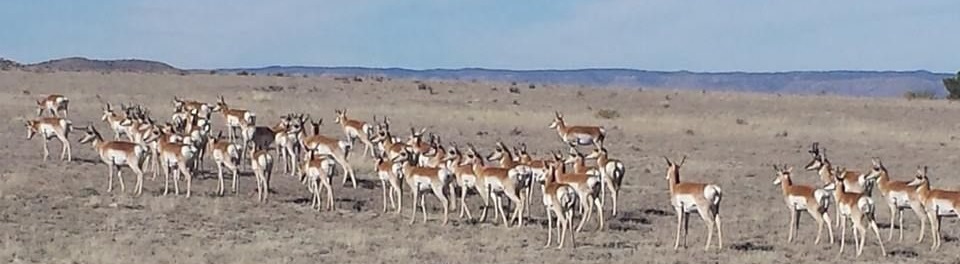
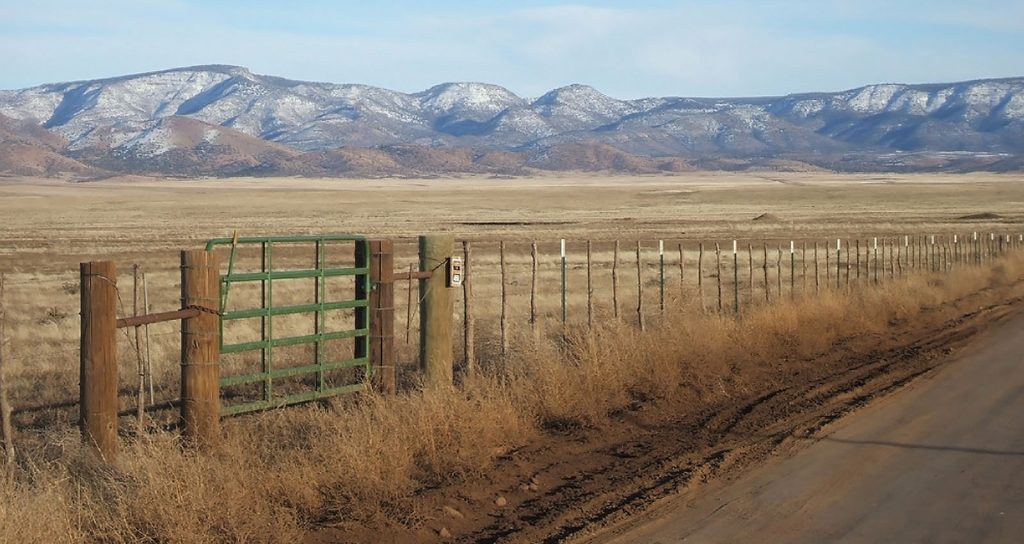
The country surrounding Chino Valley is itself part of the experience. Take a leisurely drive along State Route 89 to appreciate grassy plains, ranch properties, distant ridgelines, and changing high-desert light. Early morning and late afternoon can be especially appealing for photographs, with long shadows emphasizing the shape of the land. Unlike a designated sightseeing loop, this is a working rural landscape: pull over only where legal and safe, never block ranch gates, and do not enter private roads or property. Keep an eye out for livestock and changing weather.
Historic Places and Stories Worth Discovering
Del Rio Springs and the Beginnings of Territorial Arizona
Chino Valley holds a significant place in Arizona’s territorial story. In 1863, the original Fort Whipple was established near Del Rio Springs, and the area briefly figured in the organization of Arizona’s first territorial government before the military post and territorial activities shifted toward Prescott in 1864. This is a compelling piece of local history, but the original fort is not a restored, walk-through attraction. Much of the surrounding land has access restrictions or is privately controlled. Learn about the story through regional historical resources rather than assuming the springs or former fort site are open to the public.
Jerome Junction and the Railroad Era
Chino Valley also has a direct connection to the famous copper mines of Jerome. During the mining boom, Jerome Junction served as a transfer point linking the narrow-gauge United Verde & Pacific Railroad with a larger rail network. Ore, supplies, and passengers moved through this interchange, helping connect the steep mining settlement to the wider region. Today, Jerome Junction is best understood as a historical location and story, not an operating train ride or preserved railroad museum. It is a rewarding subject for visitors interested in railroads, mining, and the economic ties between communities.
Ranching, Agriculture, and the Town’s Western Identity
The valley’s grasslands and water sources helped support ranching and agriculture, traditions that continue to shape the community’s character. The name “Chino” is commonly associated with the curly grama grass of the region. Rather than looking for a single landmark, notice the open fields, ranch landscapes, and local businesses that distinguish Chino Valley from the tourism-centered towns farther east. Respect working farms and ranches: fences, equipment, livestock, and agricultural roads are not public sightseeing areas.
Local Events, Food, and Small-Town Experiences
Community Celebrations and Seasonal Events
A town celebration, market, or local gathering can be one of the best ways to experience Chino Valley. Event offerings change from year to year and may include family activities, seasonal festivities, and community programs. Check Discover Chino Valley and the Town of Chino Valley for updated calendars, venues, and event details. If a particular festival is the reason for your trip, confirm its date and location before you travel.
Locally Owned Restaurants and Shops
Chino Valley’s commercial areas are more spread out than a traditional tourist downtown. That makes a breakfast stop, a relaxed lunch, or a visit to a locally owned shop part of the appeal. Look along the town’s main corridors for cafés, restaurants, and everyday businesses. Opening hours can be limited or change seasonally, so check directly with individual establishments. Supporting local businesses is a great way to enjoy the town’s friendly atmosphere while exploring the area.
Outdoor Adventures Near Chino Valley
The following attractions are outside Chino Valley, primarily in the Prescott area, but they make excellent additions to a trip. A car is the most practical way to reach them.
Watson Lake and the Granite Dells — Prescott
For one of the most photogenic landscapes in the region, head south toward Watson Lake. Rounded granite formations rise around the water, creating the distinctive scenery of the Granite Dells. Visitors come for photography, shoreline walks, hiking, and permitted water activities. Conditions, lake fees, and recreation rules vary, so consult the City of Prescott before your visit. This is a particularly rewarding contrast to Chino Valley’s broad grasslands.
Prescott National Forest — Trails and Mountain Scenery
The Prescott National Forest offers trails, picnic areas, camping, and higher-elevation scenery within driving distance. Depending on the area you choose, the landscape shifts from open foothills to wooded mountain terrain. Check official Forest Service notices for fire restrictions, weather impacts, trail closures, and road conditions. Bring water and layers, and choose an outing appropriate for your group’s experience.
Historic Downtown Prescott — Museums and Western Heritage
Nearby Prescott adds a very different sightseeing experience. Its Courthouse Plaza and Whiskey Row area feature historic architecture, shops, restaurants, and museums, while its surrounding lakes and trails offer more outdoor choices. Pairing a morning in Chino Valley with an afternoon in Prescott makes a balanced day trip: rural scenery and local history first, then a walkable historic district and dinner.
Plan a Relaxed Day in Chino Valley
- Morning: Start with breakfast at a local café, then take a scenic drive through the grasslands along public roads.
- Late morning: Stop at Memory Park for a walk, picnic, or family playtime.
- Midday: Enjoy lunch in town and learn about the Del Rio Springs and Jerome Junction stories.
- Afternoon: Check for a local event or head to Watson Lake or historic downtown Prescott for a larger sightseeing stop.
- Evening: Return for a peaceful high-desert sunset or dine in the greater Prescott area.
Visitor Tips for Chino Valley
- Allow enough time: A few hours works for parks, food, and scenery; add a half day for Prescott-area excursions.
- Travel by car: Attractions and rural viewpoints are spread out, and public transportation is limited.
- Dress for the elevation: Around 4,700 feet above sea level, Chino Valley can have warm days, cool nights, winter freezes, and occasional snow.
- Protect yourself outdoors: Bring drinking water, sun protection, sturdy shoes, and layers.
- Respect property boundaries: Historic locations such as the original Fort Whipple area and Jerome Junction should not be treated as unrestricted public attractions.
- Verify details: Consult official town, forest, and city resources for current hours, facilities, access rules, and events.
Explore Nearby Arizona Communities
Continue your Arizona adventure with these distinctive destinations, each offering a different mix of history, scenery, and activities:
- Prescott — Historic Whiskey Row, Courthouse Plaza, museums, lakes, and mountain trails.
- Prescott Valley — Family parks, Glassford Hill hiking, and concerts and events at the Findlay Toyota Center.
- Jerome — A dramatic hillside copper-mining town with galleries, historic buildings, and valley views.
- Cottonwood — Walkable Old Town shops, tasting rooms, and recreation along the Verde River.
- Clarkdale — A historic copper town with the Verde Canyon Railroad and nearby Tuzigoot ruins.
- Sedona — Famous red-rock formations, hiking, scenic drives, and a thriving arts scene.
- Camp Verde — Montezuma Castle, Fort Verde State Historic Park, and Verde Valley family adventures.
Chino Valley rewards travelers who appreciate a place’s stories as much as its landmarks. Enjoy the open skies, discover its links to early Arizona and Jerome’s mining era, and make room for the quieter side of the Prescott region.